
Elevating Your Reach: Best Practices in Sports Broadcasting
Understanding the Fundamentals of Sports Broadcasting
What is Sports Broadcasting?
Sports Broadcasting refers to the dissemination of sports events and related content through various media channels. This includes television, radio, online platforms, and mobile applications. The core purpose of Sports Broadcasting is to provide coverage of live sporting events, highlight reels, interviews, and analysis to engage fans and increase viewership. As sports have evolved, so too have the methods of broadcasting, which now feature innovative technologies and varied formats to reach audiences worldwide. For an in-depth analysis of the role of innovative technologies in this field, consider exploring Sports Broadcasting.
History and Evolution of Sports Broadcasting
The origins of Sports Broadcasting can be traced back to the early 20th century when sports events started to be transmitted via radio. The first major broadcast occurred in the 1920s, with baseball games gaining popularity among listeners. As television emerged in the mid-20th century, sports broadcasting underwent a paradigm shift, offering visual coverage that attracted vast audiences. The introduction of color broadcasting further revolutionized the medium, making sports more engaging.
The digital age brought about significant changes. Cable and satellite TV expanded viewing options, while the internet introduced streaming services, allowing fans to watch live events from anywhere. Significant milestones, such as the launch of ESPN in 1979, marked a turning point in how sports were presented, creating dedicated channels for sports content. Today, sports broadcasting continues to evolve with advancements in technology and the rise of mobile platforms.
Types of Sports Broadcasting Formats
Sports Broadcasting encompasses various formats, each tailored to meet different audience preferences. These formats include:
- Live Broadcasting: Real-time coverage of sporting events, providing viewers with the excitement as it unfolds.
- Highlight Shows: Compilations of key moments from events, often aired shortly after a game concludes.
- Analysis and Commentary: Programs dedicated to dissecting game tactics, player performances, and team strategies.
- Documentaries: In-depth features that cover significant sports stories, events, or personal stories of athletes.
- Sports News: Regular updates and discussions about recent sports developments, player transfers, and upcoming events.
Key Elements of Successful Sports Broadcasting
Technology and Equipment Requirements
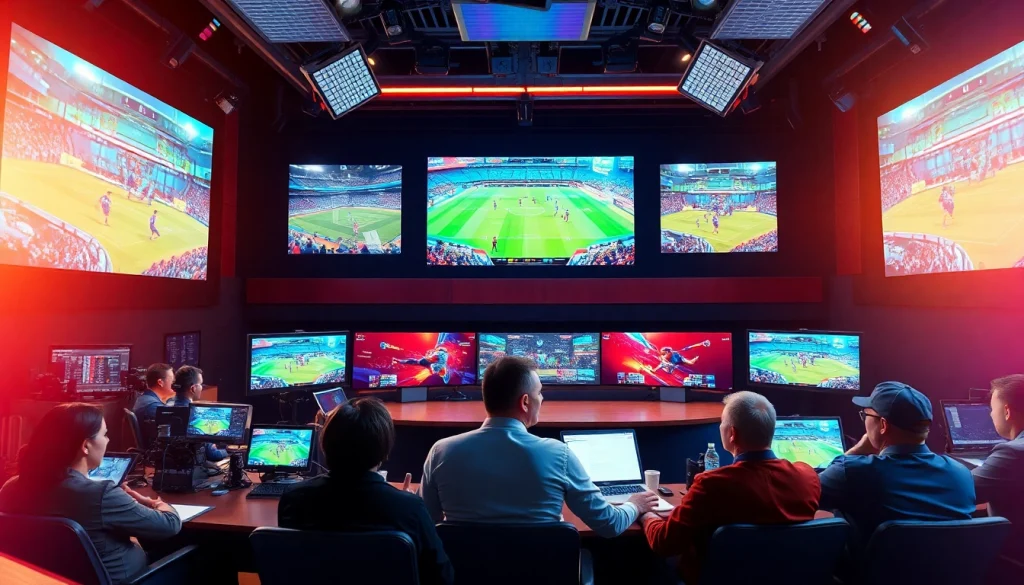
The foundation of successful Sports Broadcasting lies in advanced technology and equipment. Broadcasters must invest in high-quality cameras, audio equipment, and broadcasting software to ensure the clarity and reliability of their broadcasts. Multi-camera setups enable dynamic coverage of events, capturing different angles and enhancing viewer experience. Tablets and mobile devices allow broadcasters to provide updates and interact with audiences in real-time. Furthermore, cloud-based technologies facilitate data management and streamline production processes, making it easier to distribute content seamlessly across platforms.
The Role of Commentators and Analysts
Commentators and analysts play a critical role in Sports Broadcasting by providing insights, context, and entertainment. Their ability to narrate events engagingly enhances viewer enjoyment while educating fans about the finer details of the game. The best commentators possess a profound understanding of the sport, exhibit strong communication skills, and can think on their feet, adapting to the rhythm of the match. Analysts, on the other hand, break down plays and strategies post-game, helping viewers appreciate intricate tactics and player decision-making processes. Together, they create an engaging viewing experience that encourages fan loyalty and satisfaction.
Engaging with Your Audience Effectively
Engagement is paramount in Sports Broadcasting. Establishing a connection with the audience can elevate a broadcast from merely informative to truly immersive. Broadcasters can achieve this through interactive social media content, Q&A sessions with fans, and behind-the-scenes footage. Utilizing audience polls and feedback mechanisms during broadcasts can also foster a sense of community among viewers. Moreover, embracing digital platforms allows broadcasters to reach younger audiences who prefer consuming content on their mobile devices, as well as providing on-demand access to sporting events. Engaging content builds loyalty and keeps fans coming back for more.
Leveraging Digital Platforms for Sports Broadcasting
Social Media Strategies for Broadcasters
In the current digital landscape, social media is an indispensable tool for Sports Broadcasting. Broadcasters should strategically use platforms such as Twitter, Instagram, and TikTok to create shareable content that reaches a broad audience. Posting live updates, clips of exciting moments, and engaging graphics can capture viewer attention. Additionally, hosting watch parties or live posts during games encourages interaction and enhances the viewing experience. Collaborating with influencers in sports media can further extend reach, making it easier to tap into new demographics.
Streaming vs. Traditional Broadcasting
With the rise of online platforms, broadcasters must weigh the merits of streaming against traditional television broadcasting. Streaming offers flexibility, allowing fans to watch from anywhere and often providing access to a wider range of sports content. Viewers can choose when and where to consume media, making streaming an attractive option. Conversely, traditional broadcasting still holds significant value in terms of reach, with cable still thriving in many households. Broadcasters should adopt hybrid models that allow flexibility while maintaining the reliability of established broadcasting methods.
Metrics for Evaluating Success in Digital Broadcasting
Evaluating success in Sports Broadcasting, particularly in the digital realm, requires meticulous attention to various metrics. Key performance indicators (KPIs) include viewer engagement rates, average watch time, social media shares, and follower growth. Monitoring these KPIs can reveal insights into audience preferences and content effectiveness. Additionally, analyzing demographic data helps tailor content to specific viewer segments, ensuring the broadcast resonates with its target audience. Continuous improvement, guided by these metrics, is necessary to maintain a competitive edge in the fast-evolving landscape of Sports Broadcasting.
Challenges Facing the Sports Broadcasting Industry
Adapting to Changing Viewer Habits
The sports broadcasting landscape is continually shifting, with consumer habits evolving toward personalized and on-demand content. Broadcasters must adapt by offering diverse formats and flexibility in viewing options. Understanding the inclination of specific demographics towards streaming services over traditional television can guide content delivery strategies. By harnessing viewer analytics, broadcasters can create more targeted and appealing content that caters to existing and potential viewers.
Legal and Ethical Considerations
Sports Broadcasting is subject to rigorous legal and ethical standards, from copyright laws to broadcasting rights. Broadcasters face challenges around securing rights for live events and negotiating distribution deals that comply with regulations. Failing to adhere to these standards can lead to legal ramifications and loss of credibility. Moreover, ethical considerations include ensuring accurate reporting, avoiding conflicts of interest, and respecting user privacy online. Broadcasters must develop comprehensive strategies that address these issues effectively.
Competition from Emerging Content Creators
With the democratization of media creation, emerging content creators present a significant challenge to traditional sports broadcasters. These creators often provide fresh, innovative perspectives on sports, appealing to niche audiences. To counter this competition, traditional broadcasters should consider collaborating with these creators, leveraging their unique approaches to enhance their own offerings. Empowering in-house digital content teams to experiment and produce original stories can also fortify a broadcaster’s position in the market.
Future Trends in Sports Broadcasting
Integration of Artificial Intelligence and VR
Artificial intelligence (AI) and virtual reality (VR) are set to revolutionize Sports Broadcasting. AI can analyze large data sets to provide deeper insights into player performance, predict outcomes, and personalize content for viewers. These technologies can enhance production quality through automated camera adjustments and intelligent content recommendations. Meanwhile, VR offers a chance for immersive experiences, allowing audiences to feel like they are part of the action. The integration of these technologies will likely reshape how fans interact with sports broadcasts in the future.
The Impact of 5G Technology on Broadcasting
The rollout of 5G technology promises faster real-time data transmission, thus enhancing live Sports Broadcasting. With increased bandwidth, broadcasters can deliver higher quality video streams with minimal lag, improving audience experience. This technology also enables more interactive features, such as augmented reality overlays and sophisticated graphic presentations. As more devices become 5G-compatible, the landscape of sports consumption will undergo significant transformation, paving the way for more engaging and visually rich broadcasts.
Viewer Expectations for Interactive Experiences
Today’s audiences expect more than just passive viewing; they crave interactivity and engagement. Broadcasters must meet these expectations by offering interactive content such as live polling, fan chats, and customizable viewing options. By integrating interactive elements into broadcasts, broadcasters can create a community-like atmosphere that keeps audiences engaged. Additionally, fostering a two-way interaction via social media platforms can bridge the gap between broadcasters and viewers, ultimately leading to a richer viewing experience.
Frequently Asked Questions
What is Sports Broadcasting?
Sports Broadcasting refers to the distribution of live sporting events, highlights, and analysis through various media including television, radio, and online platforms.
How has technology impacted Sports Broadcasting?
Technology has transformed Sports Broadcasting by enhancing production quality, introducing streaming options, and allowing for real-time audience interaction through social media.
What are some formats used in Sports Broadcasting?
Common Sports Broadcasting formats include live broadcasts, highlight shows, analysis programs, and documentaries about sports personalities or events.
How can broadcasters engage their audience effectively?
Broadcasters can engage audiences through interactive content on social media, Q&A sessions, and behind-the-scenes insights to create a community among viewers.
What future trends are shaping Sports Broadcasting?
Future trends include the integration of artificial intelligence and VR, the impact of 5G technology, and evolving viewer expectations for interactive experiences.